

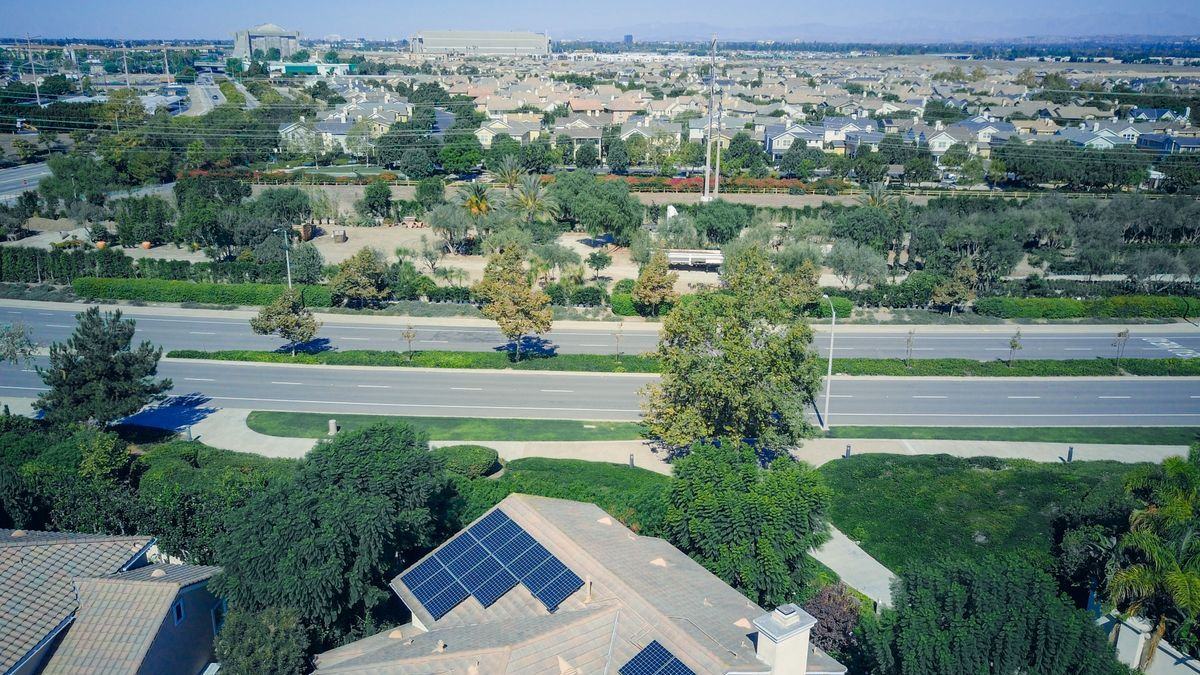
Most solar letter campaigns fail because they stop after one send. Here's why repetition wins, and how automation makes it effortless.
Here's a pattern we see constantly. An installer sends one batch of letters. The phone rings a little. Nothing obvious happens. They decide "mail doesn't work" and go back to buying leads.
That's like knocking on a door once, walking away before anyone answers, and deciding the street isn't interested.
Why the first letter rarely closes the sale
A homeowner who gets your first letter is usually somewhere between "never thought about it" and "maybe next year". Very few are ready to book on day one. Solar is a big decision with a long tail:
- They need to see you more than once before your name feels familiar and safe.
- Their timing isn't your timing. A bill shock, a neighbour's install or a rebate deadline might arrive two months after your first letter.
- They lose things. The letter gets moved, the partner wants to "think about it", life gets busy.
The installer whose letter arrives when they're finally ready wins the quote. That's rarely the one who mailed once.
Why installers stop (and why it's understandable)
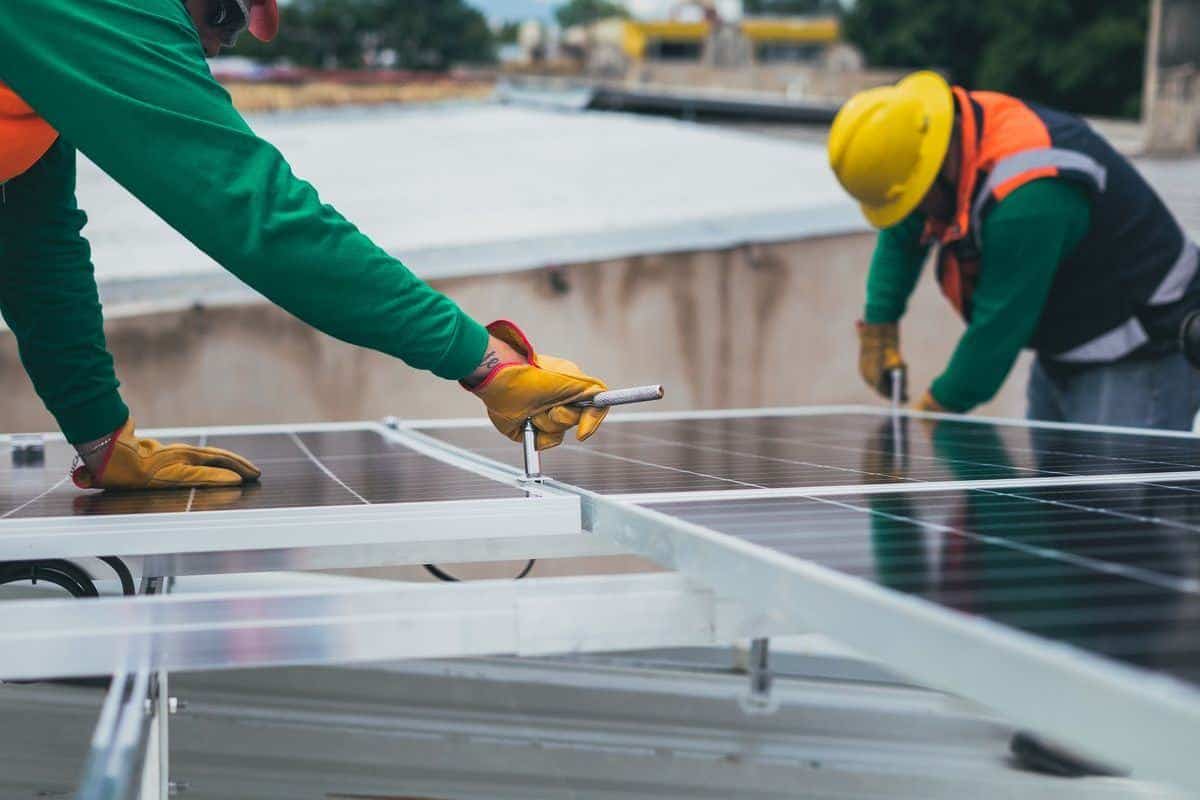
Consistency is hard when every send means pulling a list, formatting letters, liaising with a printer and booking postage. When the business is flat out on installs, marketing is the first thing to slip, and six weeks later the pipeline is empty.
That's not a willpower problem. It's a process problem.
Done for you, so repetition is the default
Stash Direct Mail is a one-stop service, so keeping up a schedule takes almost no effort from you:
- We generate the target database. Homeowners whose properties have no solar, or solar owners if you're selling batteries. Or you can use your own prospect list.
- We send your letter. Our mail house automates production from the direct mail letter you already use. No redesign needed.
- We track every send. A unique QR per household shows you which homes engaged on each touch, and we alert you when they scan.
Repeat to the right homes only
Repetition only pays if it's reaching people who can buy. Every list is filtered to homeowners only (no tenants), houses only (no apartments), and the right solar status for your offer: no panels for system sales, existing panels for battery sales.
A simple schedule to start with
| Touch | Timing | Purpose |
|---|---|---|
| Letter 1 | Week 0 | Introduce your business and the core offer |
| Letter 2 | Week 3–4 | Reinforce with a new angle: rebates, battery savings, local installs |
| Letter 3 | Week 7–8 | Create a reason to act now: a booking deadline or limited inspection slots |
| Ongoing | Every 6–8 weeks | Stay familiar until they're ready |
Track scans at each touch. Many installers find the second or third letter produces more responses than the first, because by then the homeowner recognises the name.
Keep the list fresh with timing triggers. Alongside the core schedule, we can feed in homeowners at the moment they're most likely to act:
- New movers into homes without solar
- Owners of systems over 10 years old, ready for an upgrade or a battery
- Recently storm-affected areas, where roofs are being repaired or replaced
Consistency is also how you plan crews
Predictable letter volume produces predictable lead flow. That means you can forecast quotes, plan install capacity and hire with confidence instead of riding feast-and-famine cycles.
The bottom line
One letter is an experiment. A sequence is a campaign. Stash Direct Mail removes the reason most installers stop: we build the list, mail your letter on schedule and track every response, so your name keeps arriving in the right letterboxes until the homeowner is ready to call.
