

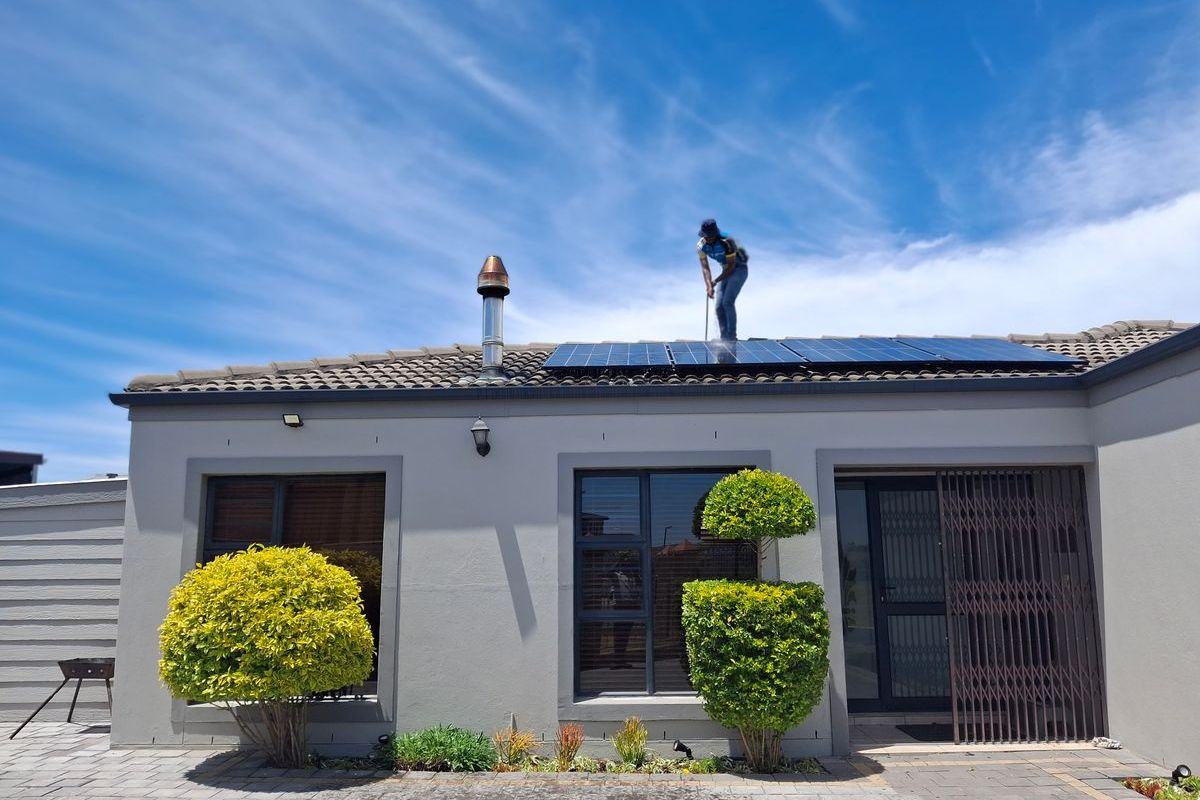
A great solar letter sent to renters and homes that already have panels is wasted money. Here's how to build a list that actually converts.
You can write the best solar letter in Australia and still get nothing back, if it lands in the wrong letterboxes.
When installers tell us a mail campaign flopped, the list is almost always where it went wrong. Before blaming the letter, the offer or the channel, look at who received it.
The four list mistakes that sink solar campaigns
- Mailing homes that already have solar. Every letter sent to a roof already covered in panels is postage you'll never get back (unless your offer is a battery or upgrade).
- Mailing renters. Tenants can't approve a rooftop install. They're a dead end for a standard solar offer.
- Mailing apartments and units. Strata approvals and shared roofs make most of these unsuitable for a residential install.
- Blanket letterbox drops. Unaddressed mail to every house in a postcode means paying for all four mistakes at once, with no way to personalise or track.
What a good solar list looks like
| Stash Direct Mail filter | Why it matters |
|---|---|
| Homeowners only, no tenants | The person reading the letter can approve the install |
| Houses only, no apartments | A suitable roof the homeowner controls, no strata hurdles |
| No solar panels (system sales) | You're reaching people still in market for a system |
| Existing solar panels (battery sales) | You're reaching the people who can add storage today |
| Inside your service area | Every lead is one your crews can actually reach |
Every list Stash Direct Mail generates applies these filters before a single letter is printed.
Then add timing
The right homeowner at the wrong moment still ignores your letter. We can narrow any list to the three moments homeowners are most likely to act:
- Just moved in, no solar. New owners are setting up bills and planning upgrades for the home.
- Panels over 10 years old. Older systems produce less and rarely have a battery, so an upgrade and storage offer lands well.
- Recently storm-affected areas. Roofs are being repaired or replaced, which is often the best time to add solar.
Your own list is valuable too
Some of your best prospects are already in your systems:
- Past enquiries and stalled quotes who weren't ready at the time.
- Existing solar customers without a battery. Battery installs are running ahead of new solar, at 153 per 100 solar systems in the first half of 2026 (Clean Energy Council), much of it retrofits to homes that already have panels.
- Referral neighbours around jobs you've completed.
Whichever list you use, Stash Direct Mail is done for you: we generate the database (or load yours), send your letter, and track every response with a unique QR code, so you can see which list and which segment produced installs.
Match the message to the list
The right list lets you write a sharper letter:
- No-solar homeowners: lead with bill savings and the upfront battery discount (around 30% under the Cheaper Home Batteries Program, now tapering every six months).
- New movers without solar: lead with starting life in the new home on lower bills.
- Systems over 10 years old: lead with an upgrade, more output and adding storage.
- Storm-affected streets: lead with adding solar while the roof is being repaired.
- Stalled quotes: reference their quote and give them a reason to revisit it now.
Test lists, not just letters
Send the same letter to two different lists and compare scan rates and cost per install. List quality often moves results more than any change to wording or design.
The bottom line
Every letter that reaches a renter, an apartment or a roof that already has panels is wasted spend. Stash Direct Mail mails homeowners in houses, filtered on solar status, timed to when they're ready, and tracks every response. Your letter only has to do one job: convince the right person.
